Introduction: Resilient Faith in the Midst of Loss.
A little over a year ago, my daughter introduced me to Dr. W. Lee Warren, a Christian neurosurgeon whose story of loss, recovery, and ministry illustrates the resilient faith in my upcoming book. His experience shows faith that endures and becomes ministry.
A Life Shaped by Loss and a Choice That Builds Resilience
The Sharpest Cut: Losing a Son
Nothing prepares you for life-changing loss. For Dr. Warren, his son’s death brought deep grief. As we move from tragedy to the choices that follow, it’s clear that in their darkest hours, he and his wife refused to allow despair to win—a decisive act of resilient faith.
Choosing Trust Over Despair: Faith That Endures.
Their decision to trust God didn’t erase sorrow but reframed it as part of a redemptive story. Resilient faith holds both grief and trust, allowing suffering to produce endurance, character, and hope (Romans 5:3–4).
The Process of Building Resilient Faith
Step 1 — Honest Grieving: Resistance vs. Resilience
Grief is a weight to carry, not a quick fix. Resilient faith starts with honesty: naming pain, lamenting, and refusing superficial answers. This prevents brittle faith under pressure.
Step 2 — Trusting God While Hurting Placing pain in God’s story turns suffering into a formative experience.
Resilient faith trusts God’s presence in darkness, letting suffering shape endurance and character.
Step 3: Community as a Framework for Resilience.
Community as Lifeline. Isolation weakens resilience. Dr. Warren’s renewed marriage and supportive network were vital. Bearing one another’s burdens (Galatians 6:2) strengthens fortitude and turns grief into testimony.
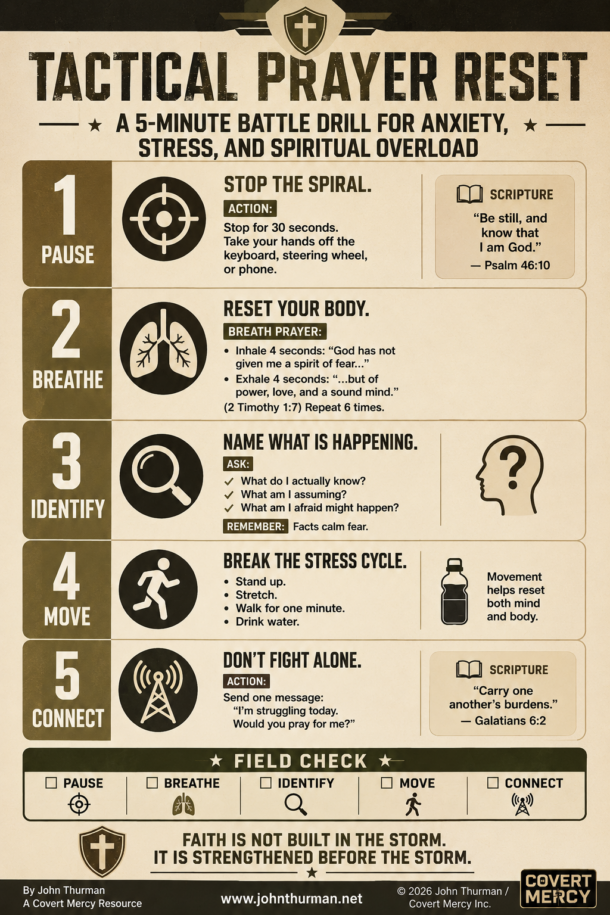
Step 4 — Spiritual Rhythms That Strengthen Resilience:
Faith is a daily practice — prayer, Scripture, worship, and discipline. These steady habits don’t remove pain but build spiritual strength to endure and turn pain into empathy and aid.
I recommend Dr. Warren’s Books That Point to the Path to Resilient Faith.
As we consider practical resources for this journey, Dr. Warren’s works trace the arc from trauma to hope — resources that correspond with Resilient Faith’s themes:
- No Place to Hide (2014) — Return from war, trauma, and the first steps toward restoration.
- I’ve Seen the End of You (2020) — Honest wrestling with doubt and durable trust.
- Hope is the Anchor – 2026 Blog
- Hope Is the First Dose (2023) — Hope is the basic step in recovery.
- The Life-Changing Art of Self-Brain Surgery (2026) — Integrating neuroscience and spiritual formation to cultivate flourishing resilience.
- Sign up for Dr. Warren’s Newsletter
Practical Steps to Cultivate Resilient Faith
-
Name the pain. Authentic testimony meets people and prevents brittle faith.
-
Stay connected. The community provides both practical and spiritual reinforcement.
-
Keep simple spiritual rhythms. Daily small practices build endurance over time.
-
Serve when ready. Helping others channels grief into purpose and strengthens faith.
A Realistic, Resilient Hope.
These practices show that this is not a neat, happy ending—the ache remains. But resilient faith lets grief become a gospel witness. Dr. Warren’s journey shows how persistent sorrow, with steady faith and community, becomes a durable testimony that points others to Christ.
For those currently facing life’s storms:
– There is a pathway forward, slow and jagged but real.
– Use deliberate spiritual practices and a supportive community.
– Let resilient faith transform grief into ministry and light.
– Share your story when you’re ready, letting others help you and God reforge your story into hope.
Helpful Links:
Standing Strong in The Storms of Life – John’s Blog
Anchored in the Word — The Scriptures as Your SOP – John’s Blog
Resilient Faith Habits: Three Daily Habits That Prepare Your Faith For Any Storm – John’s Podcast
Spare Tire Christianity Won’t Get You Far – John’s Podcast