
by John Thurman M.Div., M.A., LPCC
How do You Deal with Old Wounds?
Trauma Conversations
Everyone talks about trauma, but few talk about how to be transformed by it instead of frozen by it. We all get hurt at some point. This article shows simple steps to heal old wounds and grow stronger.
More and more people feel overwhelmed, helpless, anxious, or depressed. Many lack confidence in their ability to solve problems. Trauma and abuse—especially from childhood—can leave people feeling stuck. If this describes you, consider getting professional help.
As a mental health professional, I know trauma damages the soul and can be hard to overcome. The good news: people have healed from trauma for thousands of years. Below, I’ll explain two key ideas that support recovery and four practical tips to help you build a more meaningful life.
You are not alone. Humans have faced trauma since the beginning. People have learned how to recover, and you can too. Use the tools below to start positive post-traumatic growth. (If you need a mental health or medical professional, please seek one.
Two guiding principles
Resistance is like stress inoculation.
It means you learn to resist harmful reactions and old habits, even when you don’t feel like doing the hard work. Resistance helps you avoid returning to negative thinking and behavior. It is an active step that reduces harm and builds your capacity to endure tough times.
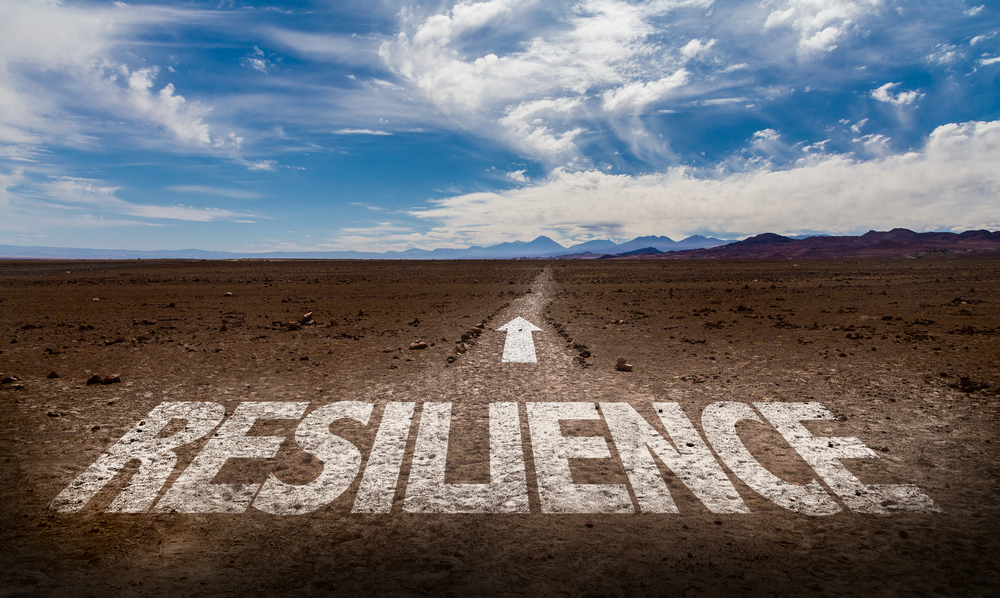
Resilience is your ability to bounce back from loss, shame, or failure and to grow stronger.
Experts define resilience as the ability to maintain healthy functioning and positive emotions after disruptive events. Resilience helps you make good choices under pressure and recover quickly. It lets you rise above adversity to greater well-being and purpose.
Four practical tips to heal and grow
Tip 1 — Supervise your self-talk. You talk to yourself constantly. Make that conversation encouraging, not destructive. Positive self-talk builds confidence; negative self-talk destroys it. Notice achievements, praise yourself for discipline, and treat mistakes as learning steps. Become your own encourager.
Tip 2 — Stop comparing yourself to others. Comparing drains energy and hurts progress. Focus on being better today than you were yesterday. Small daily improvements add up. Look back over weeks and months to see real growth.
Tip 3 — Stretch your limiting beliefs. Many people limit themselves with beliefs like “I can’t” or “I’m not enough.” Challenge those limits. When you expand what you believe you can do, you expand what you actually can do.
Tip 4 — Build others up. Low self-esteem often makes people self-focused. Serving others shifts attention outward, lifts your mood, and increases your sense of value. Helping others creates a positive cycle: you add value to them, and they value you more.
Tip 5 — Get help. If you need professional support, find a competent therapist. If you prefer Christian counselors, resources such as Focus on the Family’s Christian Counselor Network can help.
Ancient wisdom.
Read the story of Joseph in the Old Testament. He faced neglect, abuse, and false imprisonment and still held hope. His story shows how resilience can lead to restoration and purpose.
Scriptural reminders you might find helpful
- Philippians 4:6–9
- 1 Peter 5:7–9
Helpful Links:
How to Craft a Resilient Life
How to Transform Trauma and Tragedy into Triumph
I hope you choose to start healing today. If you’d like a free phone consultation, call 505-226-1449 or email [email protected]. I’d love to hear your comments or questions.