About

Meet John

Speaker | Author | Coach
John-Thurman.jpg

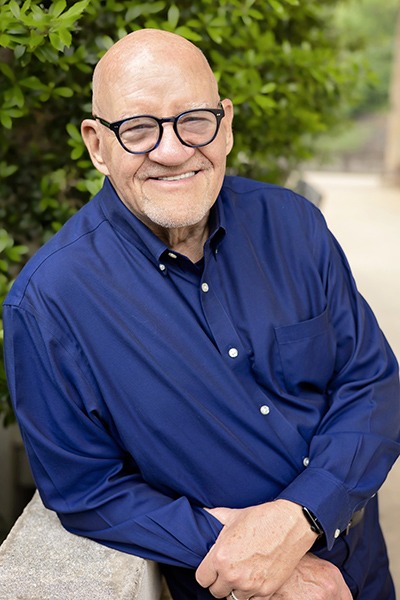
John Thurman

John’s Short Bio

John Thurman helps Christians turn adversity into strength. A licensed mental health professional, former Army Reserve chaplain, and Critical Event Mental Health Provider with 70,000+ clinical hours and 280+ incident responses, he draws on personal loss and lessons from a 53-year marriage. His biblically grounded books use faith-friendly psychological principles to build Resilient Faith. Book him for your podcast or media appearance.

About John Thurman

John Thurman never envisioned a career as a writer. His life’s mission began with a commitment to simply being present. For over five decades, he has sat with individuals in pain—men and women burdened by sorrow, families on the brink of collapse, soldiers bearing invisible scars from battle, and communities shattered by tragedies and natural disasters and he provided what was necessary: a listening ear free of judgment, identifying the next actionable step, and accompanying them until they felt capable of moving forward. After accumulating more than 70,000 hours of direct, compassionate interaction, he reached a profound realization: the straightforward, biblical, and practical resources that genuinely aided individuals were not sufficiently accessible to many Christians. Far too many believers found themselves caught between two inadequate choices—shallow platitudes that disregarded their suffering or secular advice that perpetuated unhealthy behaviors. From these years of frontline service and personal struggles arose a firm belief: Christians need not choose between sound psychology and faithful theology. They can embrace both, and through the fusion of established psychological techniques and Scripture, they can cultivate what Thurman refers to as Resilient Faith—faith that remains strong under pressure and even grows through adversity. This conviction prompted him to begin writing.


An Unlikely Beginning


John’s journey toward ministry and writing was sparked by a rather unusual and pivotal experience in a small town in Georgia during the 1960s. As a Boy Scout, he took part in a disaster simulation drill designed to mimic chaos. For the exercise, he was assigned the role of a distressed, twenty-three-year-old pregnant woman. The local volunteer fire department made up of neighbors, local businessmen, as well as the police and sheriff’s department responded to the drill. What he witnessed left a lasting impression. A chaotic situation was transformed into organized, calm assistance by individuals who had prepared beforehand, who showed up with genuine concern, and who took practical steps towards safety and recovery. This experience planted a crucial seed: the importance of preparation and presence. Individuals in crisis require steady hands, clear guidance, and someone who believes in their ability to heal. This lesson would become a cornerstone of his life’s work.


The Long Road to Credibility


Thurman’s credibility is not a result of luck or advantage. He faced academic challenges and encountered a teacher who told him he might never finish high school. Early setbacks taught him resilience through rejection, humiliation, and self-doubt. However, he persevered. He obtained two master’s degrees and built a diverse career encompassing clinical mental health care, pastoral ministry, and military chaplaincy. He served as an Army Reserve and National Guard Chaplain for 22 years, providing ministry in various settings from local Army Reserve Readiness Centers and National Guard armories to the U.S. Army Burn Unit. This background allowed him to develop in his work as a  Critical Event Specialist, he has responded to more than 280 incidents—mass shootings, tornadoes, earthquakes, hurricanes, workplace tragedies, and community disasters—where the priority was not clever theological insight but offering a calming presence, practical support, and hope rooted in God’s promises.


His training included specialized experiences that few pastors or therapists encounter. He was chosen to participate in suicide prevention training at the Mayo Clinic, contributed to religious support planning for Desert Storm, and received training in mass casualty response following the catastrophic 1985 Gander Air Crash. These experiences were not mere résumé embellishments; they honed his ability to remain composed under pressure, to create response plans that prioritize human needs, and to communicate effectively when individuals are disoriented and frightened. These skills directly inform the prescriptive Christian nonfiction he writes today, offering clear, actionable advice for those feeling overwhelmed and seeking a way forward.


Battle-Tested Beyond the Clinic


While professional credentials are important, Thurman believes that professional success is always complemented by personal experience. His life story includes grief and trauma that could have easily remained as theoretical case studies. In 1986, he lost his brother in a car accident. Years later, a traumatic resuscitation attempt led him to experience depression and Post Traumatic Stress (PTS), manifested through insomnia, hypervigilance, intrusive thoughts, and flashbacks. Instead of distancing himself from his suffering, he chose to confront it. He sought professional help, utilized short-term medication, relied on peer support, immersed himself in Scripture, and prayed through the darkness. He tested the same strategies he now recommends to clients and readers. These methods didn’t just work on paper they helped re-direct his life and transformed his faith.


This blend of professional expertise and personal trials is what makes Thurman uniquely equipped to write Christian prescriptive nonfiction. He does not teach from an isolated perspective or a sanitized textbook. His recommendations are forged in the reality of lived pain and long-term recovery. When he discusses cognitive distortions, spiritual warfare, or trauma recovery, he does so with the knowledge of a clinician and the humility of someone who has experienced care firsthand. This dual perspective results in writing that is clinically informed, pastorally sensitive, and spiritually grounded.


A Theology Shaped by Practice


The theological foundation of Thurman’s work is deliberately straightforward and pragmatic. He holds that Scripture is authoritative and transformative, yet he also believes that theology must be lived out. Theology that cannot be applied in living rooms, hospital rooms, and crisis moments fails to fulfill its purpose. For him, the effectiveness of any theological assertion lies in its applicability during crises. Does it offer comfort? Does it guide towards a feasible next step? Does it enhance trust in God while acknowledging human suffering?


Over the years, he has advocated for a balanced approach: theologically sound, clinically reasonable, and compassionately human. He rejects both the trivialization of suffering that arises from clichéd spiritual responses and the false dilemma that pits faith against sound psychological practice. His methodology integrates cognitive-behavioral techniques, principles from positive psychology, and a pastoral focus on prayer, Scripture, and sacraments. This combination yields guidance that encourages readers to think and act differently—two essential components for lasting change.


Marriage, Family, and Long-Term Practice


Thurman’s personal life reflects the principles he advocates. He has been married for fifty-three years. This lengthy marriage has not been free from conflict, periods of loss, or the ordinary challenges of life. Instead, it has served as a testing ground for resilience. He and his wife have utilized the same biblically based, resilience-focused practices he suggests to others—practices that involve open communication, structured problem-solving, mutual accountability, and rituals of gratitude and forgiveness. Their marriage is not a polished narrative of perfection; it exemplifies the potential for enduring, faith-driven relational health when two individuals commit to practical, daily disciplines.


This relational perspective influences Thurman’s writing. His advice is not theoretical; it is designed to be applied in real-life settings—at kitchen tables, in counseling sessions, and in intimate moments between partners when important decisions are made. He writes for pastors who need the right language to discuss difficult topics with grace, for spouses seeking actionable strategies to break harmful cycles, for exhausted parents in need of a resilience plan, and for individuals looking to rebuild their lives after trauma. The objective remains consistent: to provide people with specific next steps that acknowledge human complexity and honor God.


Beyond Words: Photography, Humor, and Human Touch


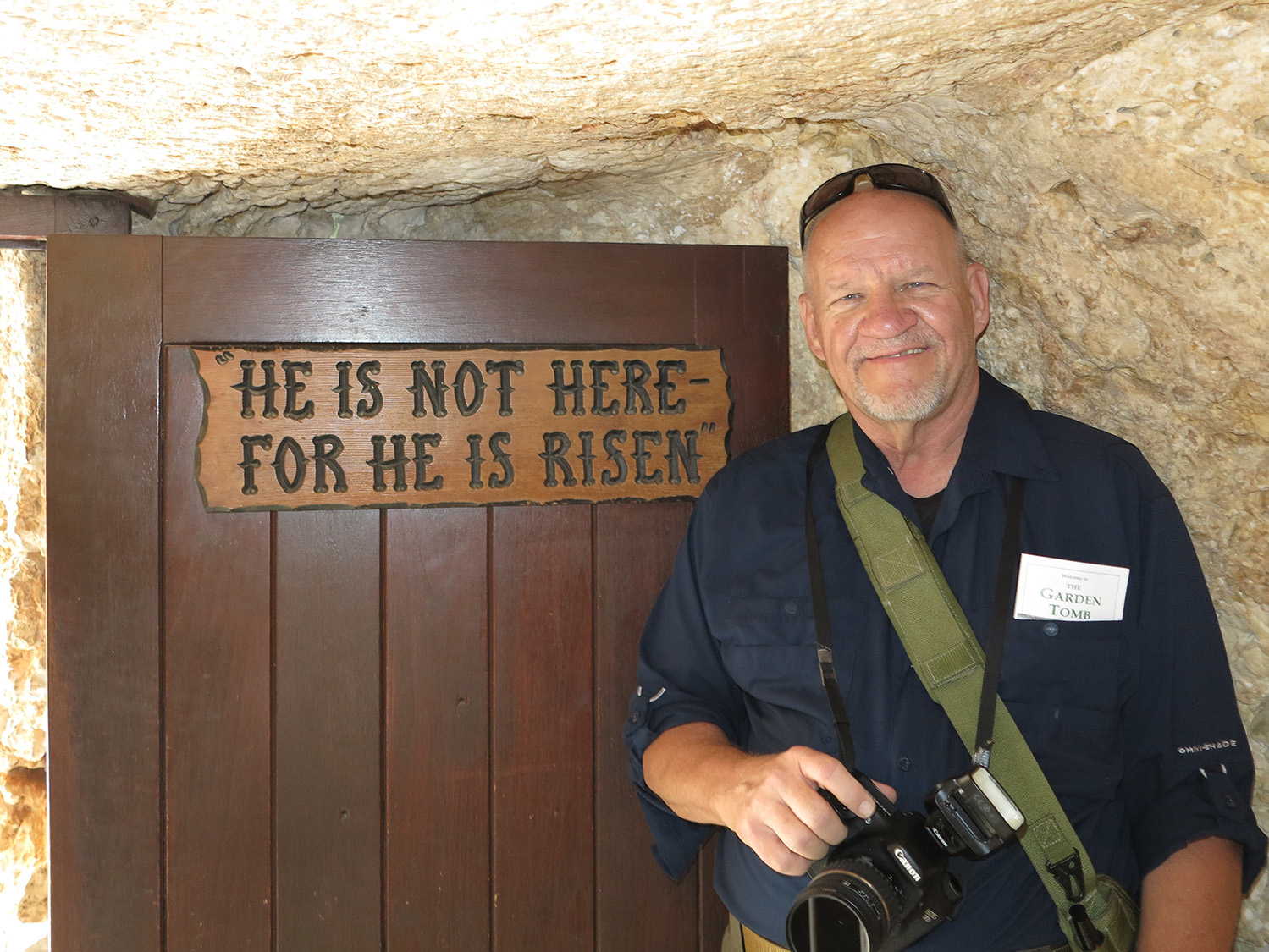
Thurman’s talents for observation and presence extend beyond the realms of counseling and writing. He engages in serious amateur photography, focusing on environmental portraits that depict individuals in their everyday settings. These photographs—raw, humane, and patient—reflect his writing style. Both mediums emphasize the dignity and intricacy of everyday lives. He desires viewers and readers to see themselves and recognize the quiet bravery of those who continue to show up.


His personality also shines through in subtle ways. He does not shy away from his quirks—such as his fondness for a peanut butter and jelly sandwich made with Duke’s mayonnaise. While it may seem like a trivial detail, it matters. It humanizes him and reminds readers that authors and counselors are not moral paragons but fellow travelers who have learned the art of resilience through ordinary flaws and steadfast faith.


Public Impact and Teaching


Thurman’s influence has reached beyond his counseling practice. He has written for ministries such as Focus on the Family, Inspiration.com, and Today’s Christian Woman. He has developed training for churches and organizations, consulted with international nonprofits and relief agencies on the subject of stress management and crisis response planning. He is involved in his local church’s Men’s Ministry. He also serves as a Family Dynamics and Relationships Assessor for the Send Now Network helping church planters, and sending congregations find the right fit for expanding the reach of the church.


His publications reflect the range of his interests and the depth of his commitments. Titles like Getting a Grip on Depression: Embracing God’s Promises in Your Struggle and The No Fear Entrepreneur tackle specific life challenges through his signature integration: biblical truth coupled with psychological insight. He maintains an active blog and podcast that exemplify conversational, accessible teaching—an approach he brings into every book. His writing avoids jargon, promotes warmth over authority, and persistently focuses on guiding readers towards actionable steps.


The Method Behind the Message


What sets Thurman’s prescriptive nonfiction apart from many other faith-based self-help books is his methodological approach. He writes following a framework developed from decades of practical experience:


Presence before prescription: He emphasizes that any advice should begin with a stance of listening and empathy. Individuals must feel acknowledged before they can initiate change.


Practical steps: Each chapter includes actionable exercises—feasible tasks that can be practiced at home or in a support group. These are not abstract concepts but tangible practices.


Scriptural integration: Every tool is evaluated against Scripture. Psychological strategies are never positioned as replacements for faith but as means to obey and embody biblical truths.


Case stories: He incorporates anonymized case examples from his clinical practice and ministry to illustrate how tools are applied in real-life situations—not for sensationalism but for clarity.


Empirical humility: He values evidence and welcomes insights from psychology and neuroscience while maintaining theological integrity. He is open to adjusting recommendations as better evidence emerges but will never compromise the primacy of Scripture.


These methodological principles make his writing valuable for a wide audience: laypeople, pastors, counselors, and ministry leaders. The books serve as both personal guides and training manuals for those wishing to assist others without resorting to simplistic solutions.


Resilient Faith: A Working Definition


At the core of Thurman’s message is the concept of Resilient Faith. It is not an inherent quality, nor is it merely a fleeting moment of bravery. Resilient Faith is a cultivated stance of trust in God that allows for a steady and thoughtful response under pressure. It encompasses components that can be learned and practiced:


Cognitive clarity: The ability to identify and reframe unhelpful thoughts in light of truth.


Emotional regulation: Techniques to manage intense emotions without being overwhelmed by them.


Relational repair: Practices that restore trust and connection in strained relationships.


Spiritual practices: Routines of prayer, Scripture reading, and community engagement that enhance dependence on God.


Practical planning: The skill to formulate clear action plans for crisis management, recovery, and long-term growth.


Thurman believes each of these elements can be developed. His books provide the foundational tools: exercises, reflection prompts, and simple routines that readers can adopt and adapt. This prescriptive aspect of his writing emphasizes the belief that moral guidance must be accompanied by practical strategies.


A Credible Voice for Troubled Times


In a time when Christians are seeking both truth and support, Thurman’s voice resonates because it is credible, compassionate, and practically useful. He speaks from the realities of ministry, clinical, and the personal challenges of grief and recovery. His audience recognizes that he has engaged deeply with suffering, learned from it, transformed through it, and distilled those lessons into teachable strategies.


Conclusion


John Thurman’s life and work illustrate that effective Christian prescriptive nonfiction must transcend well-intentioned advice. It must be grounded in the lived experience of empathizing with pain, the proven effectiveness of therapeutic strategies, and the lasting truths of Scripture. His background—shaped by early training exercises, years of frontline crisis intervention, military chaplaincy, clinical practice, leadership positions, and personal suffering—grants him a unique authority to write about recovery, resilience, and faith.

Proverbs 3:5–6—“Trust in the Lord with all your heart; do not lean on your own understanding. In all your ways acknowledge him, and he will make straight your paths”—is more than just a cherished verse for Thurman; it has been a guiding principle for five decades. It frames his work as a ministry: a faith that trusts God, a practice that equips individuals for crisis, and a methodology that helps them take the next right step.


Life & Work

Moments With John

7
john-thurman
Humor in Resilient Relationships

Subscribe To Our Newsletter and join John's Resilient Faith Community

You have Successfully Subscribed!

Verified by MonsterInsights